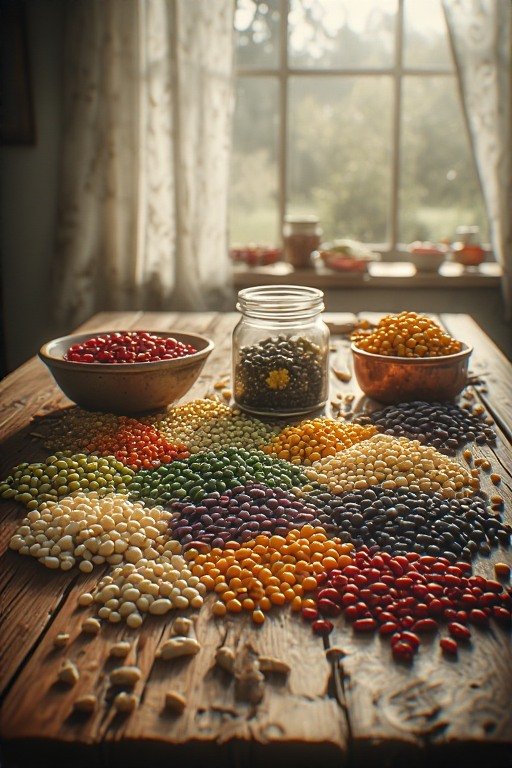
The Beginner’s Guide to Legumes: Nature’s Gluten-Free Powerhouses
If you are transitioning to a gluten-free lifestyle, or simply want to cook healthier, affordable meals from scratch, there is one food family you absolutely need to get familiar with: Legumes.
While the word “legume” sounds a bit like scientific plant jargon, you eat them all the time. This massive family includes everything from lentils and chickpeas to black beans and peanuts.
For gluten-free home cooks, legumes are an absolute goldmine. They are naturally 100% gluten-free, packed with protein and fiber, incredibly cheap to buy, and have an outstanding shelf life. Let’s look at how this family breaks down and how to handle them in the kitchen
What Exactly is a Legume?
In the culinary world, we look at legumes in three primary branches:
1. Beans
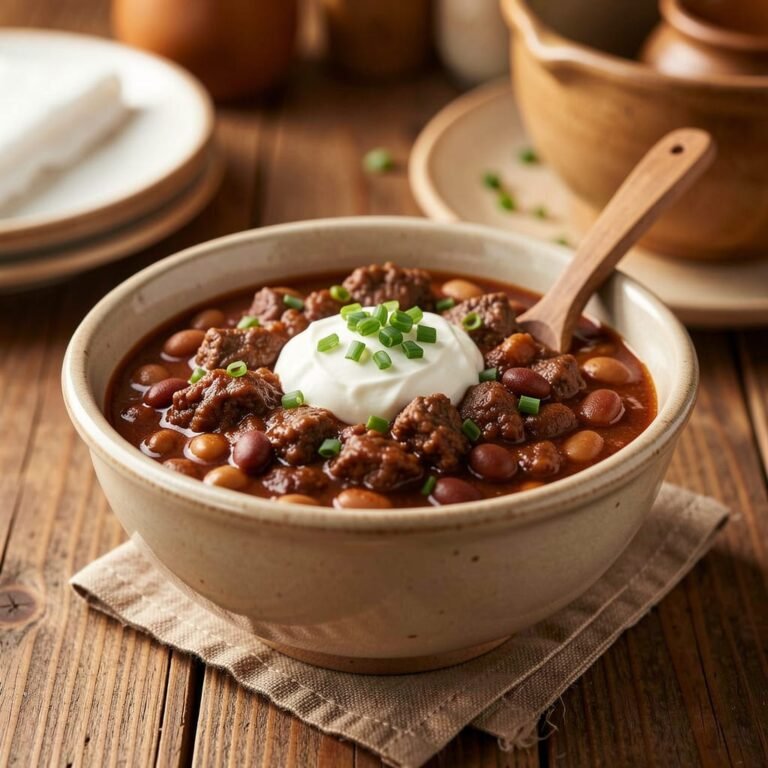
From tiny navy beans to large kidney beans, these are versatile, meaty, and excellent at soaking up the flavors of whatever spices or liquids you cook them in.
2. Lentils
These look like tiny, flat discs. They cook much faster than beans, don’t require soaking, and come in a beautiful array of colors like green, brown, and red.
3. Peas and Chickpeas
This includes split green or yellow peas (perfect for thick soups) and chickpeas (also called garbanzo beans), which are the hearty, nutty base for hummus.
Canned vs. Dried: Which Should a Beginner Use?
When you walk down the grocery aisle, you’ll see legumes sold two ways. Neither is “better,” but they serve different purposes for a beginner.
Canned Legumes (The Convenience Choice)
• The Good: They are already fully cooked and ready to eat immediately. You just open the can, rinse them off, and throw them into a salad, soup, or skillet.
• The Catch: They cost a bit more per serving than dried, and they can sometimes be slightly mushy.
• Master Rule: Always dump canned beans into a colander and rinse them thoroughly under cold water before using. This washes away the metallic-tasting, starchy canning liquid and excess sodium.
Dried Legumes (The Flavor & Budget Choice)
• The Good: Incredibly inexpensive. A single two-dollar bag can feed a family for days. They hold a much firmer, superior texture and absorb seasonings deeply as they cook.
• The Catch: They take time. Most dried beans require soaking in water for several hours or overnight before you can even begin boiling them.
The Big Four Varieties for Beginners:
1. Black Beans
• Texture: Creamy interior with a firm outer skin.
• Flavor: Earthy and mild.
• Best Used For: Mexican dishes, taco fillings, black bean soups, and tossed into cold rice salads.
2. Chickpeas (Garbanzo Beans)
• Texture: Firm, dense, and slightly nutty.
• Flavor: Rich and distinctively bean-forward.
• Best Used For: Roasting in the oven with olive oil and spices for a crunchy snack, tossing into Mediterranean salads, or blending into homemade hummus.
3. Brown or Green Lentils
• Texture: Tender but holds its shape well when boiled.
• Flavor: Peppery and deeply earthy.
• Best Used For: Hearty cold salads, rustic vegetarian stews, or as a healthy, gluten-free ground beef substitute in pasta sauces.
4. Red Lentils
• Texture: Completely softens, dissolves, and breaks down when cooked.
• Flavor: Sweet and nutty.
• Best Used For: Thickening up Indian dals, creamy soups, and stews without needing to add flour or cornstarch.
The Ultimate Legume Cheat Sheet
|
Important Gluten-Free Cross-Contamination Alert!
The GF Kitchen Safety Rule: While legumes themselves are entirely free of gluten, they are frequently grown in fields right next to wheat, barley, and rye, and harvested using the exact same farm machinery.
Because of this, it is very common to find a random, stray grain of wheat hiding inside a bag of dried lentils or beans. Always spread your dried legumes out on a flat baking sheet and sort through them with your fingers to look for debris, pebbles, or stray grains before rinsing and cooking them!