How Steam Works: The Science of Cooking
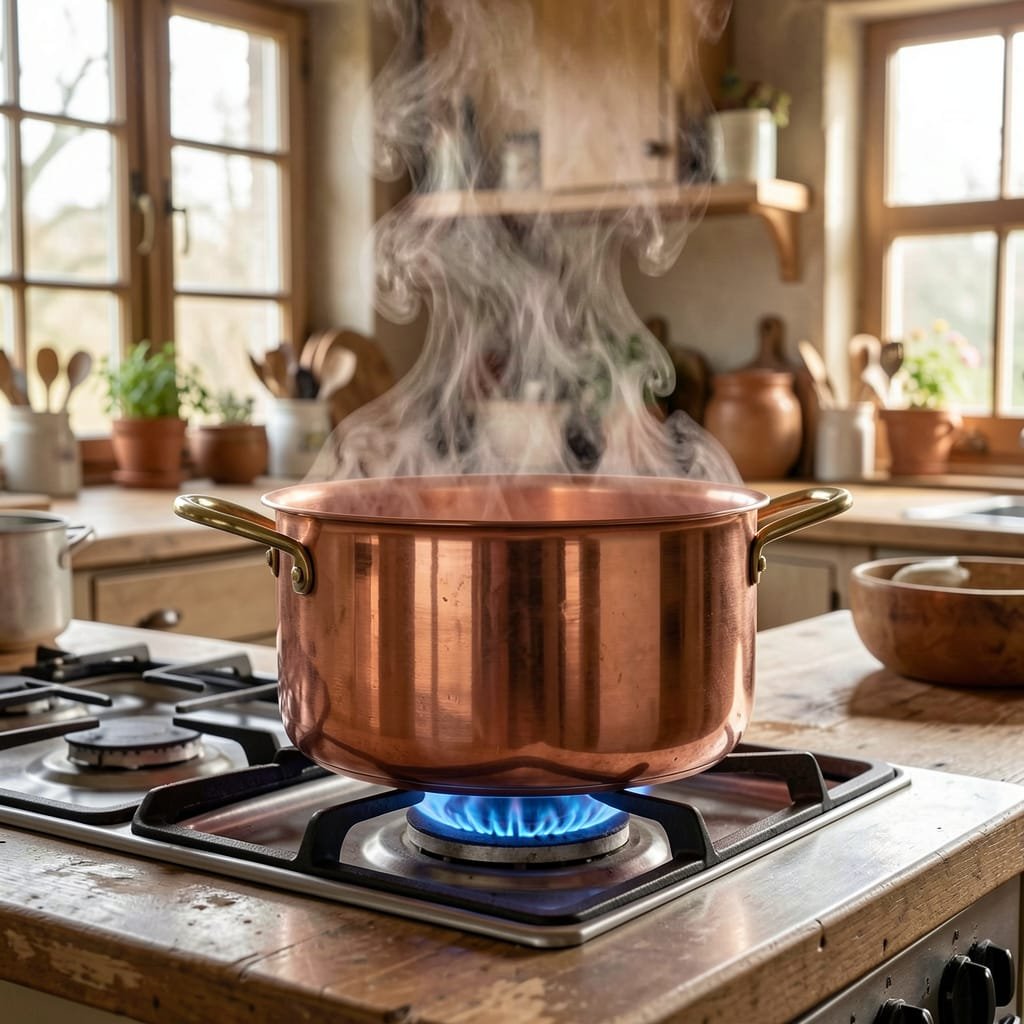
Cooking with steam is a masterclass in heat transfer. When water reaches its boiling point, it changes from a liquid to a gas (water vapor). This vapor carries an immense amount of energy, making it one of the most efficient and gentle ways to cook food while locking in nutrients, color, and moisture.
The Science of Steam Cooking
To understand how steam cooks, it helps to look at the three main phases of heat transfer in the kitchen:
• Latent Heat of Vaporization: It takes a lot of energy to turn liquid water into gas. When the water boils and turns into steam, it holds onto that heat energy.
• Rapid Condensation: When the hot steam touches the cooler surface of your food (like a vegetable or a grain of rice), it condenses back into liquid water. As it condenses, it releases a massive amount of heat directly onto the food’s surface, cooking it rapidly and evenly.
• Moisture Equilibrium: Because the food is surrounded by moisture, the water inside the food doesn’t evaporate. This prevents delicate foods from drying out, which often happens in a dry, hot oven.
Why Steam is Perfect for Beginners
• It is a built-in temperature cap: Because steam is produced at 212°F (100°C) at sea level, it creates a gentle cooking environment. Your food will never scorch or burn on the bottom of the pot as long as there is still water present.
• Nutrient retention: Unlike boiling, where vitamins and minerals leach into the cooking water and get poured down the drain, steaming keeps the nutrients suspended right in the food.
The Science Behind the “No-Peek” Policy
When cooking rice or steaming vegetables, we always tell beginners to keep the lid on. Here is why this rule matters:
1. Trapping the Vapor: The steam creates a closed ecosystem. If you lift the lid, the vapor rushes out, and the air temperature inside the pot drops instantly.
2. Preventing Uneven Cooking: Escaping steam means the food closest to the heat source cooks while the top layer remains undercooked and crunchy.
3. Maintaining Pressure: A tight-fitting lid creates a micro-environment where the steam works continuously to hydrate and cook the food uniformly.
Adding Aromatics: Instead of steaming with plain water, try using a splash of wine, citrus juice, or herb stems in the water to infuse your food with a delicate flavor profile while it cooks.