Stop the Smoke: How to Avoid (and Survive) Burning Your Food
Stop the Smoke: How to Avoid (and Survive) Burning Your Food
Every chef—from the person in the fancy hat to your favorite home cook—has burned something. It’s part of the process! The trick is knowing the early warning signs so you can adjust before the smoke alarm goes off.
The “Early Warning” Signs
• The Scent: If you smell a “nutty” or “toasty” aroma, you’re in the sweet spot. If it smells sharp or acrid, you’re seconds away from burning.
• The Sound: A gentle sizzle is good. A loud, aggressive “popping” or “hissing” means your pan is too hot.
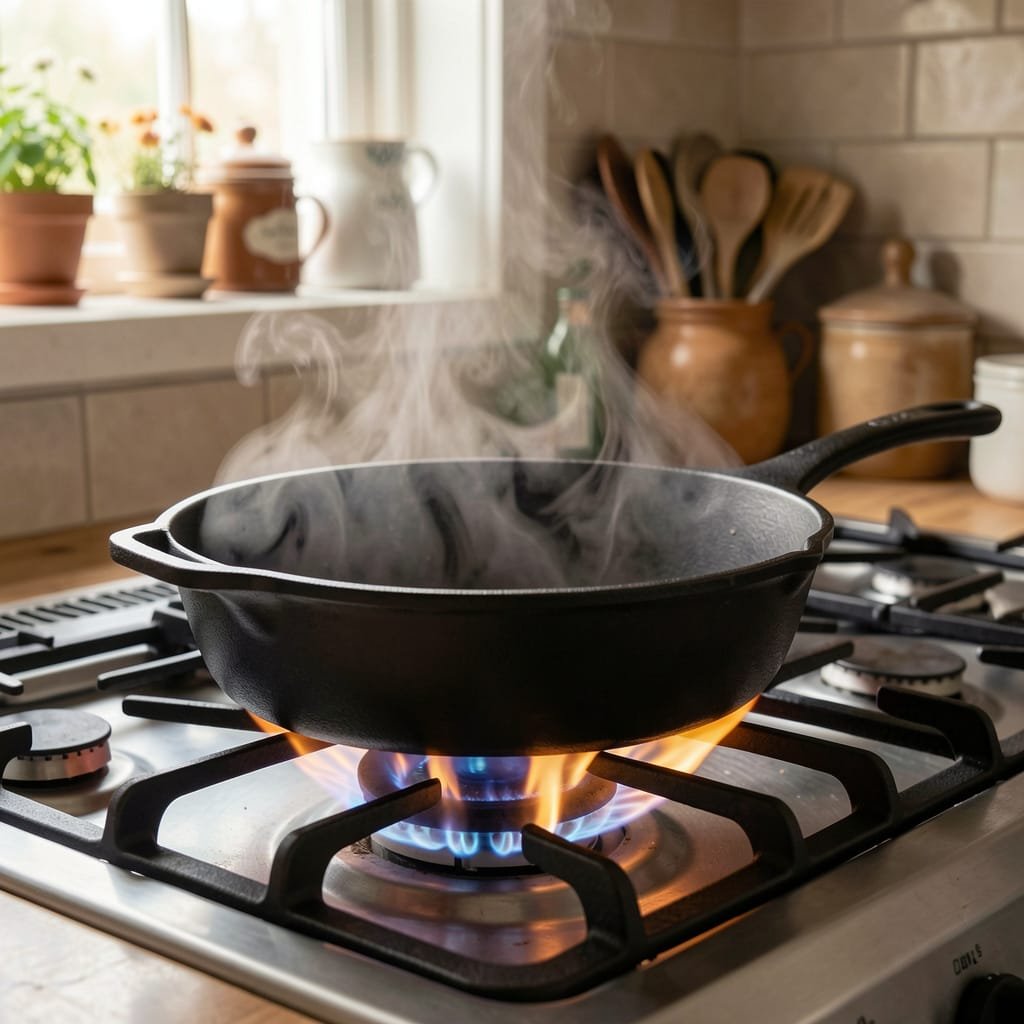
• The Smoke: A tiny wisp of steam is normal. Gray or black smoke means your oil is breaking down.
The “Danger List”: Ingredients That Burn Fast
Some ingredients are “divas”—they require lower heat and more attention.
• Garlic: Because it’s cut so small, garlic burns in about 30 seconds. The Fix: Add it to the pan last, after your onions or meat have already started cooking.
• Butter: Butter contains milk solids that turn black quickly. The Fix: Mix a little oil with your butter to raise its “smoke point.”
• Sugary Sauces: Honey, BBQ sauce, and teriyaki turn into black carbon almost instantly on high heat. The Fix: Brush these on during the last 2 minutes of cooking only.
The “Rescue Mission”: What to do when it happens
If you see the bottom of the pan turning dark brown or black, don’t panic.
1. Kill the Heat: Move the pan to a cold burner immediately.
2. The Extraction: Gently lift the unburned food out of the pan. Do not scrape the bottom—that’s where the bitter, burned flavor lives.
3. The Deglaze: If the food is just starting to stick, add a splash of water, broth, or wine. The steam will lift the flavorful browned bits (called “fond”) without keeping the burned ones.
4. The Fresh Start: If the pan is black, transfer your food to a clean skillet. A fresh pan is cheaper than a ruined dinner!
The “Equipment” Factor
Sometimes, it’s not you—it’s the pan.
• Thin Pans: Cheap, thin aluminum pans have “hot spots” that burn food in one corner while the other corner stays cold.
• The Solution: If you have a thin pan, cook on Medium-Low and move the food around constantly to distribute the heat.
Quick FAQ
Q: My food is raw in the middle but burned on the outside. What happened?
A: Your heat was too high! The outside cooked (and burned) before the heat had time to travel to the center. Lower the heat and put a lid on the pan to help trap the heat and cook the middle.
Q: Does “Blackened” mean “Burned”?
A: Great question! “Blackened” is a specific Cajun technique using spices that look dark. “Burned” is a mistake that tastes bitter. If it tastes like ash, it’s burned.
Now that you’ve got a little bit of knowledge, it’s time for us to jump into our first 5 beginner recipes. If you’d like to just check out the recipes on this site, you can go here!