
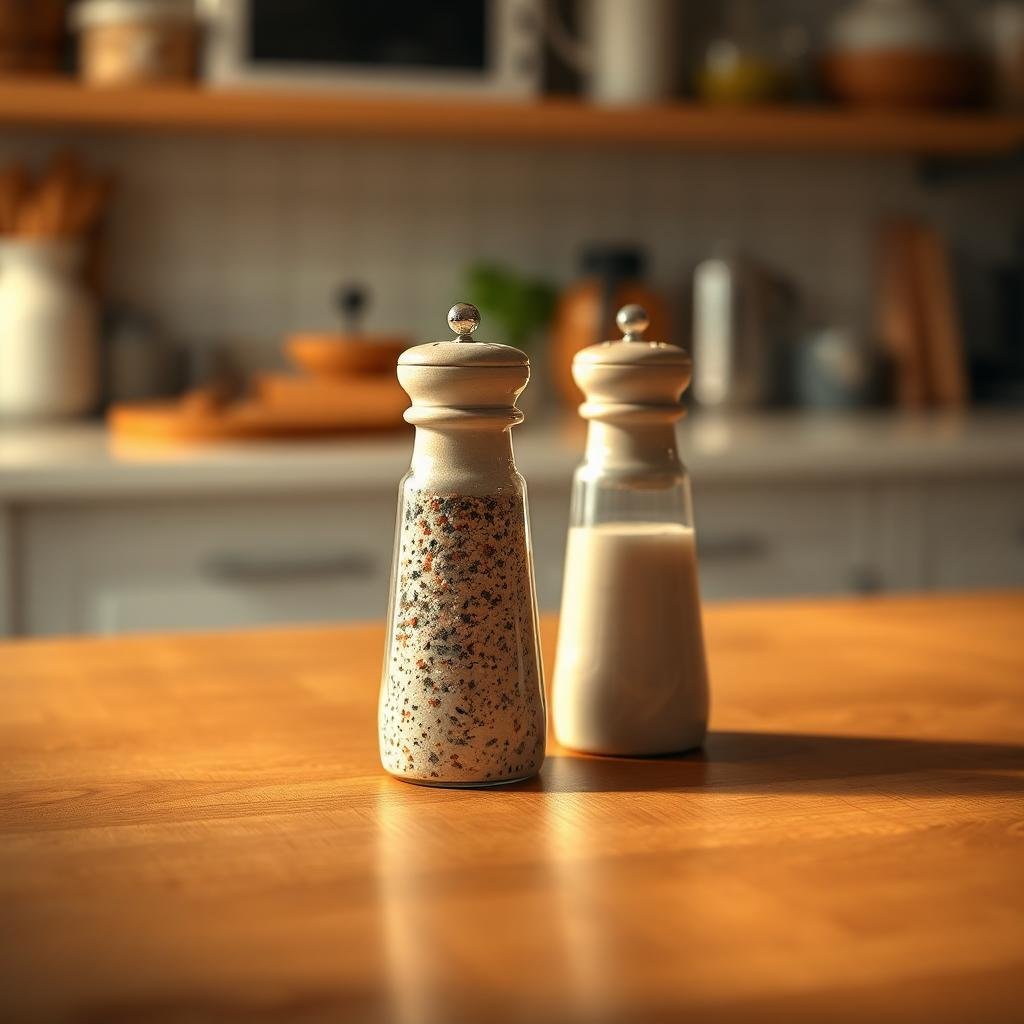
How To Season Properly
How to Season Food Properly: A Beginner’s Guide
Why Seasoning Matters
Seasoning isn’t just about making food salty; it’s about unlocking flavors that are already there. Without proper seasoning, even the highest-quality ingredients can taste flat or dull. Think of seasoning as the volume knob for your food—it turns the flavors up so you can actually “hear” them.
The Essential Beginner Toolkit
You don’t need a spice rack with 50 jars to start. Focus on these fundamentals:
• Kosher Salt: The larger grains make it easier to pinch and control than fine table salt.
• Black Peppercorns & a Grinder: Freshly cracked pepper has a floral, spicy punch that pre-ground pepper loses over time.
• A “Bright” Acid: Lemon juice or a basic vinegar (like Apple Cider or Red Wine vinegar). Acid cuts through fat and “wakes up” a dish just as much as salt does.
• One Dried Herb & One Spice: Start with something versatile like Dried Oregano and Smoked Paprika, or Basil and Sage
How to Season Like a Pro: 3 Simple Rules
1. Season from a Height (The “Rain” Method)
Don’t sprinkle salt right next to the food. Instead, hold your hand about 10–12 inches above the pan.
Why it works: This allows the salt or spices to spread out evenly as they fall, preventing “salty hot spots” and ensuring every bite is seasoned perfectly.
2. The “Layering” Technique
Don’t wait until the very end to add flavor. Add a small pinch of salt to your onions as they soften, another when you add your meat, and a final adjustment at the end.
Why it works: Seasoning in layers builds a deep, complex flavor that you just can’t get by dumping salt on top of a finished dish.
3. The “Acid” Pivot
If a dish tastes “flat” but you’ve already added a good amount of salt, stop salting. Reach for a lemon or a splash of vinegar instead.
Why it works: Acid acts as a flavor “highlighter.” It cuts through fat and makes the existing salt and spices pop without making the food too salty.
Common Mistakes to Avoid
• Overshooting: You can always add more salt, but it’s very hard to take it away.
• Ignoring the “Acid”: If a dish tastes “flat” but you’ve already added salt, it usually needs a squeeze of lemon or a splash of vinegar, not more salt.
• Using Old Spices: If that jar of dried parsley has been in the cabinet for three years, it probably tastes like dust. If it doesn’t have a strong aroma when you open it, toss it.
Master the Pinch: The Beginner’s Guide to Seasoning Like a Pro
1. Season as You Go
Don’t wait until the very end to add salt and pepper. Seasoning in layers—adding a little bit at each stage of cooking—builds a deeper, more rounded flavor. Taste your food at the beginning, middle, and end.
2. The Power of Salt
Salt doesn’t just make things salty; it’s a flavor magnifier. It “unlocks” the natural taste of your ingredients. If a dish tastes “flat” or boring, it usually needs a pinch of salt, not more spices.
3. Understanding Acid
If a dish feels “heavy” or dull even after salting, it likely needs acid. A squeeze of lemon juice or a splash of vinegar acts like a spotlight, brightening the flavors and cutting through richness.
4. Dried vs. Fresh Herbs
• Dried herbs: Add these early in the cooking process (like in a stew or sauce) so they have time to rehydrate and release their oils.
• Fresh herbs: These are delicate. Stir them in right at the end to keep their color vibrant and their flavor punchy.
5. The “Palm” Method
Instead of pouring spices directly from the jar over a steaming pot (which introduces moisture into your spice jar), pour the spice into your palm first. This gives you total control over the amount and prevents clumping.