Heat Control 101: Mastering the Dial
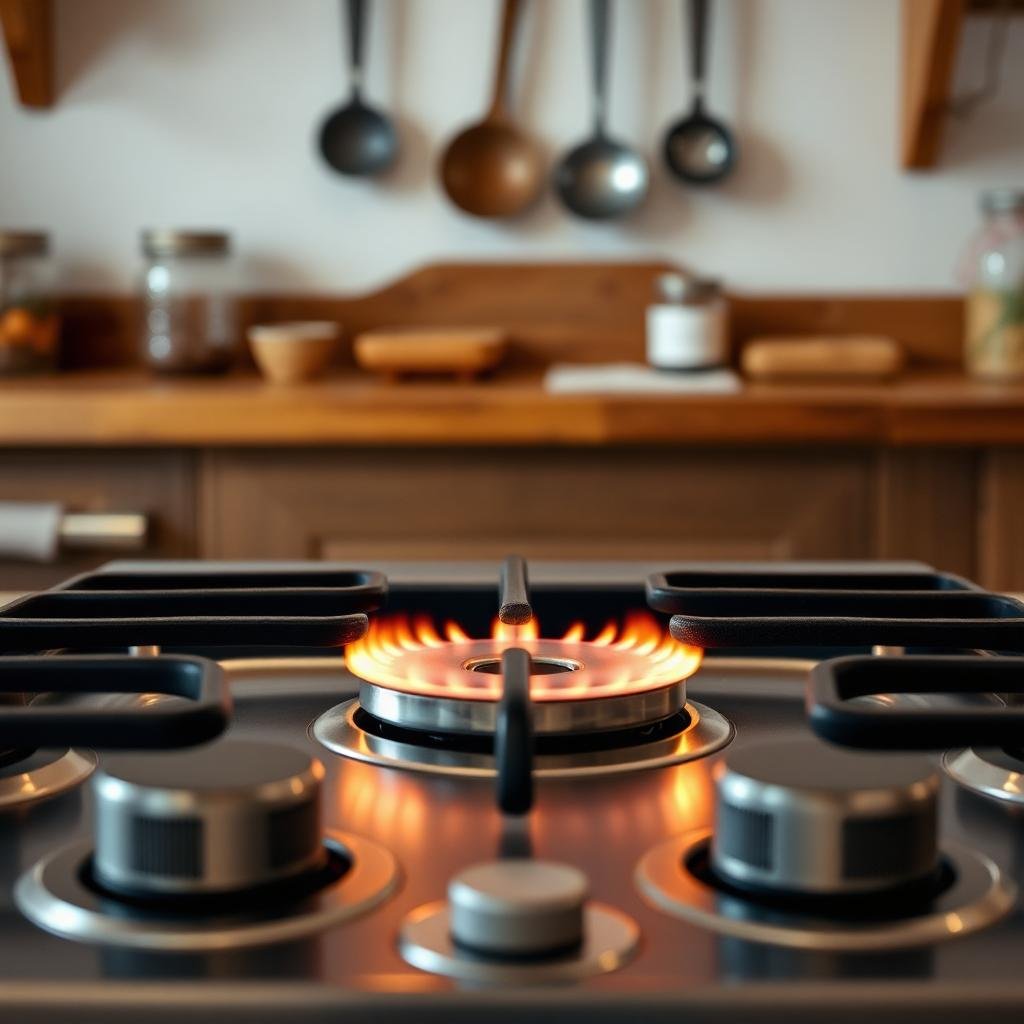
Many beginners think “High” is for cooking fast and “Low” is for slow, but there’s more to it.
• Searing (High): Using high heat to get that brown, flavorful crust on meat.
• Sautéing (Medium-High): Cooking quickly in a little fat while keeping things moving.
• Simmering (Medium-Low): Small, gentle bubbles. This is for soups and sauces where you want flavors to meld without burning.
• The “Water Drop” Test: A quick tip on how to tell if a pan is hot enough before adding oil.
The Water Drop Test (also known as the Leidenfrost Effect) is a classic “pro” trick that makes a beginner feel like a scientist in the kitchen.