
🍚 How to Cook Rice Perfectly Every Time
Your foolproof guide to the foundation of every great meal.
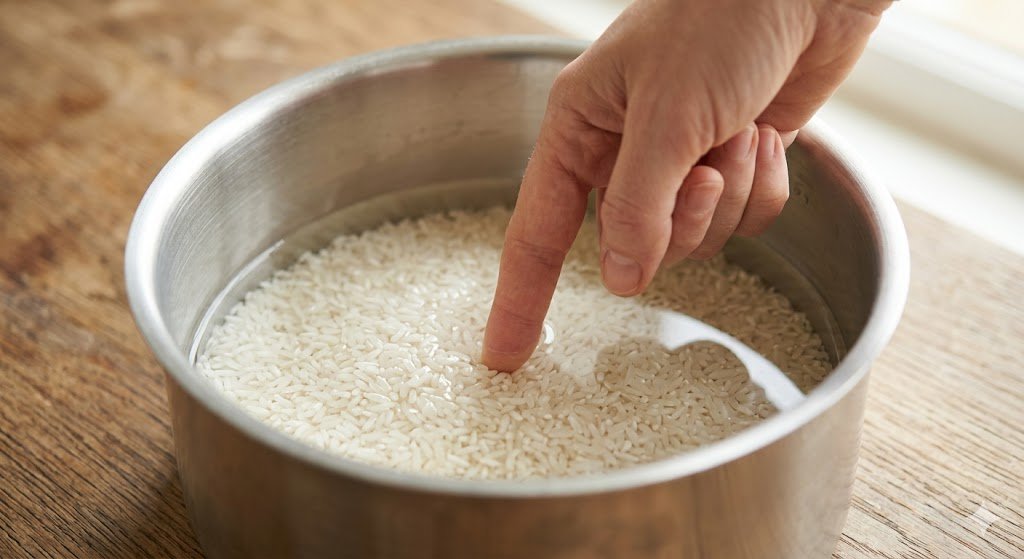
“If you’ve ever opened your rice cooker only to find a sticky, mushy mess—or worse, a pot of crunchy grains that feel like pebbles—believe me, I’ve been there. For years, rice was the one dish I just couldn’t seem to master. It felt like a total mystery until a dear friend, an old Filipino woman, sat me down and taught me that you don’t need fancy gadgets or perfect math to get it right. You just need a little technique (and maybe your own index finger!). If I can go from ‘rice burner’ to ‘rice pro,’ you can too. Let’s get into it.”
Cooking rice is a rite of passage for every home cook. Whether you’re using a pot or a rice cooker, the goal is always the same: separate, fluffy grains that aren’t mushy or burnt.
🛒 What You’ll Need
• Medium pot with a lid (or your trusty Rice Cooker)
• Plastic Rice Paddle (the one that came with your cooker) or a silicone spatula
• Strainer (for rinsing)
________________________________________
The Old-School “Finger Trick”: No Measuring Cups Required
If measuring cups feel too clinical, you can use the intuitive method that cooks in Asia and the Philippines have relied on for generations. It is surprisingly accurate!
1. Level the Rice: After rinsing, make sure the raw rice is spread evenly across the bottom of the pot.
2. Add Initial Water: Pour in some water. It’s better to add too little than too much at first
• White Long-Grain: 2 cups water per 1 cup rice.
• Jasmine: 1.75 cups water per 1 cup rice.
• Basmati: 1.5 cups water per 1 cup rice
💡 Pro-Tip
Step 3: The Ratio (If you aren’t using the Finger Trick)
• White Long-Grain: 2 cups water per 1 cup rice.
• Jasmine: 1.75 cups water per 1 cup rice.
• Basmati: 1.5 cups water per 1 cup rice.
Step 4: The Heat (Stove-top Method)
Add a pinch of salt to the water now. Bring the water and rice to a full boil over medium-high heat.
Step 5: Simmer & Seal
Once it boils, drop the heat to Low and put the lid on.
•White/Basmati: 15–18 minutes.
•Jasmine: 12–15 minutes.
•⚠️ The Golden Rule: Do NOT lift the lid. You need that steam!
Step 6: The Rest (Don’t Skip This!)
Once the timer goes off (or the rice cooker clicks to “Warm”), turn off the heat but leave the lid on for 10 minutes. This finishes the steaming process perfectly.
Step 7: Fluff and Serve
Use your plastic paddle or a fork to gently fluff the rice. Never use a metal spoon—it mashes the grains and scratches your pots!
Common Mistakes Beginners Make
- • Using too much water
- • Lifting the lid while cooking
- • Cooking on too high heat
- • Not rinsing the rice first
- • Stirring rice while it cooks (don’t do this!)
How to Fix Rice That’s Not Quite Right
• Rice is too wet:
Spread it on a sheet pan and let it dry for a few minutes.
• Rice is crunchy:
Add 2–4 tablespoons of water, cover, and steam on low for 5 more minutes.
• Rice stuck to the bottom:
You used too much heat — next time, simmer lower
Beginner Variations to Try
- Add a teaspoon of butter
- Add garlic or onion powder
- Swap water for broth
- Add a pinch of turmeric for yellow rice
Q: Do I have to rinse rice?
A: Rinsing helps remove starch and prevents mushiness, so yes — especially for beginners.
Q: Can I double the recipe?
A: Yes. Keep the ratio and use a larger pot.
Q: Can I use a rice cooker instead?
A: Absolutely. Follow your cooker’s measurements.
• Brown/Crispy Bottom? You didn’t rinse enough starch off, or there’s too much sugar in your seasoning.
• Water Spewing from the Vent? This is “starch foam.” A tiny drop of butter or oil in the water will stop the bubbles.
• Rice is Too Hard? Sprinkle 2 tablespoons of water over the top, close the lid, and let it sit on “Warm” for 10 more minutes.
🥄 The Right Tools for the Job
Most rice cookers come with a specific plastic ladle or paddle
- • Use the Plastic: Always use the paddle that came with your machine (or a silicone spatula).
• Avoid Metal: Never use a metal spoon or fork inside the rice cooker pot. Metal will scratch the non-stick coating, which leads to rice sticking and burning in the future.
• Cleaning Tip: To keep the pot in top shape, let it soak in warm soapy water rather than scrubbing it with a harsh abrasive pad.